
Design Trends That Are Shaping 2026
Danny Sturrock, Lydia Essex & Valia Kalfa
Posted 26 February, 2026 by Danny Sturrock, Lydia Essex & Valia Kalfa in Design
Design Trends That Are Shaping 2026
2025 was a big year for technology, and we’re all gearing up for the same rapid developments to emerge in 2026. But as tech has evolved, design has evolved alongside it – distilling large-scale advancement into creative digital visual expression.
As we enter a new era in 2026, where AI is no longer a novel concept but an expected presence across every technological touchpoint in our day-to-day lives, design is shifting its focus away from the flawless and the uniform – the robotic – and towards raw emotion, tactile textures, and human personality.
Let’s take a dive into the design trends that will shape 2026.
Designed by a Human
The rise of raw, childish, and deliberately imperfect aesthetics
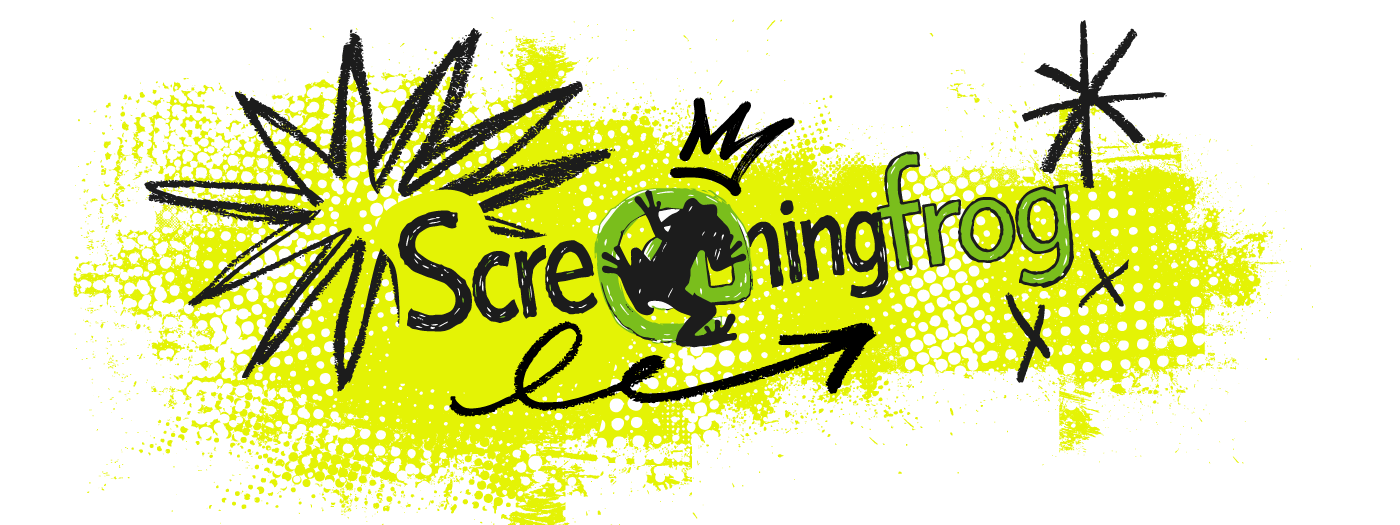
We’re all imperfect. We know this, yet we often shy away from embracing it. Instead, we strive for perfection – and inevitably fall short. But no more. Our imperfections are what define us, and what ultimately set us apart from the machine.
Penicillin was a mistake. X-rays were discovered by accident. Even cornflakes came from a mishap. Some of our greatest inventions were born from error – so why don’t we celebrate it more?
In 2026, this is exactly what design aims to honour and exemplify. Rough brushstrokes, scribbles, letterpress-inspired fonts, and tactile textures bring warmth and personality to visual work. These designs don’t aim to look careless; they’re intentional in their looseness – the result of understanding the rules well enough to bend them.
In a world where flawless visuals can be generated in seconds, visible imperfections feel refreshingly honest.
Punk Isn’t Dead, It’s Digital
Grunge, rebellion, and grit as a response to algorithmic perfection
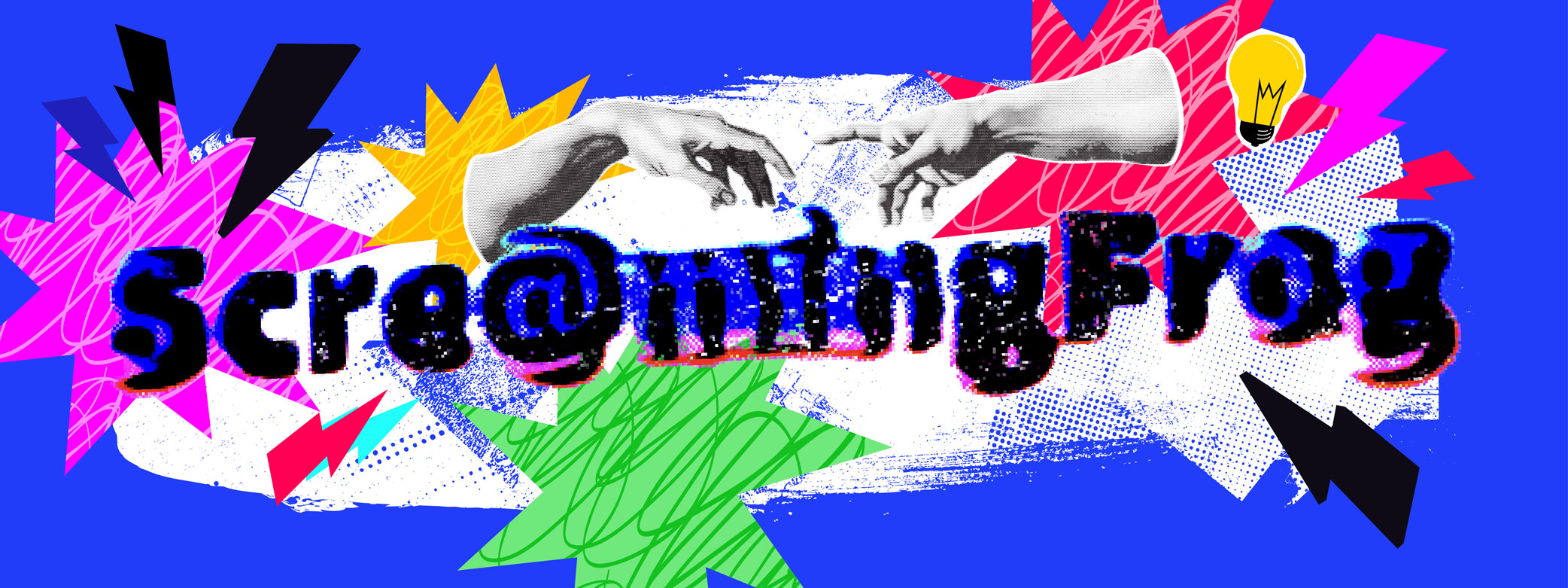
Rebellion is alive and well in 2026, and its spirit is louder, prouder, and more brazen than ever before.
Punk and grunge are resurfacing not as nostalgia, but as a cultural correction to the sanitised, soulless sameness that has dominated digital design for far too long.
Expect visuals that inject attitude, friction, and energy back into digital design – from photocopy textures and rough overlays to messy handwriting, stencils and cut-out typography, distorted photography, and aggressive layouts, all drawing on influences from 90s zine culture and DIY collage references.
This 2026 punk revival is intentional, expressive, and emotionally charged – reminding us that design doesn’t have to be clean to be powerful.
Cut, Paste, Distort
Collage, mixed media, and fragmented storytelling
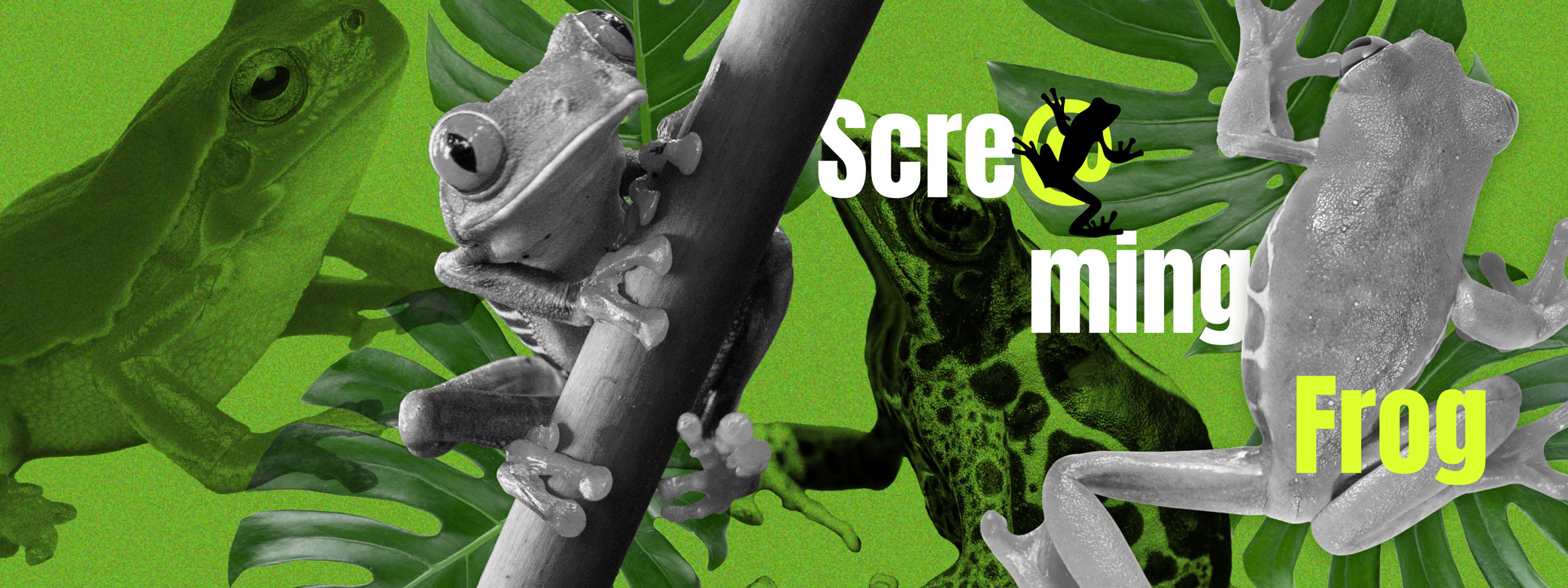
Building on the human-focused, tactile design trends emerging in 2026, collage is becoming an increasingly prominent means of visual communication.
Visible seams – overlaps, rough edges, and imperfect alignment – are no longer flaws, but an integral part of the story being told.
Cut-out imagery, catalogued layouts, and warped proportions will all feature heavily. Whether leaning into absurdism or a raw, lo-fi aesthetic, collage allows designers to communicate meaning through curation rather than polish.
Unpolished and rough around the edges, it’s storytelling shaped through assembly rather than perfection.
Dream Logic
Grainy blur, surreal softness, and emotional atmospheres
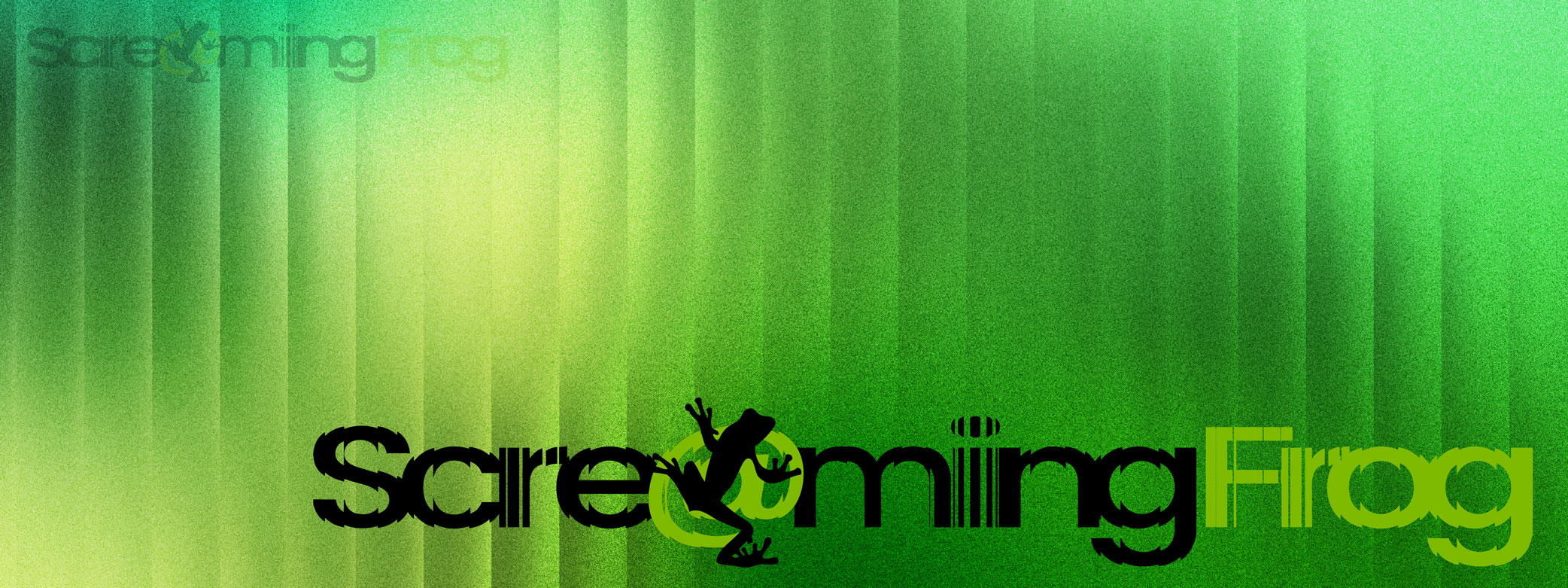
Sharp, ultra-HD visuals are giving way to something softer and more atmospheric.
In 2026, blur, grain, and haze return to the spotlight, shaping emotive visuals that feel more like memories than images. Grainy gradients, speckled edges, blurred organic forms, and airbrushed effects create a sense of softness and nostalgia.
These dreamlike visuals work especially well in motion, where texture and blur feel alive and immersive. Clarity takes a back seat to mood, and feeling becomes more important than sharp definition.
Type Takes the Stage
Typography as personality, performance, and identity
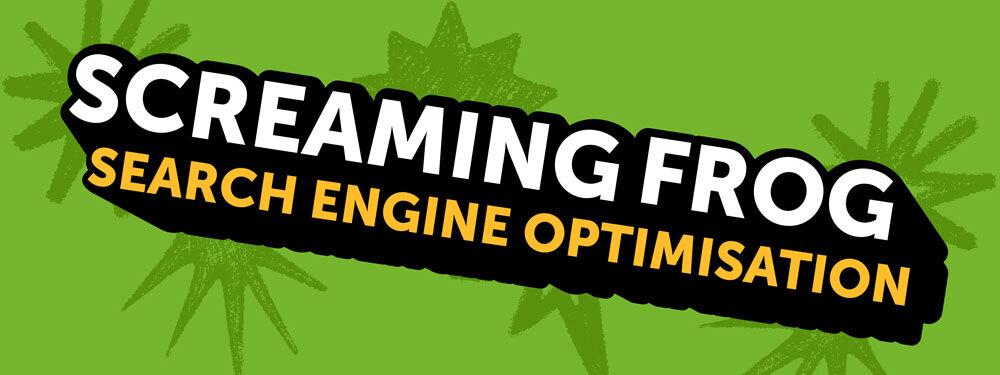
2026 will be the year typography transforms from supporting the design to becoming the design.
It’s no longer enough for designers to simply select type to suit a style; typography itself becomes the style. Letterforms are oversized, stretched, warped, and layered, turning type into expressive visual elements in their own right.
Designers are experimenting with playful distortions, mixed-font collages, and custom, hand-drawn lettering. Words bend, overlap, and interact with imagery, carrying tone, personality, and emotion.
Typography is no longer solely about readability – it’s voice, presence, and character all rolled into one.
Human-Guided AI
Designing with machines, not for them
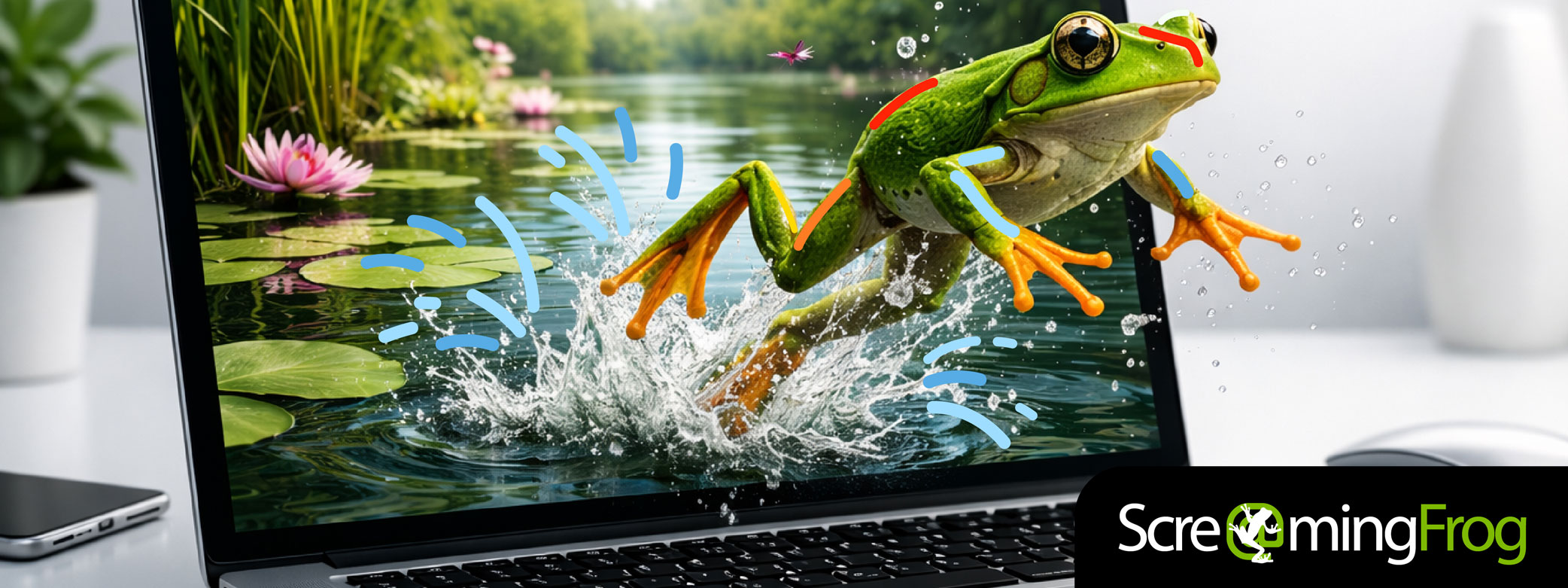
It’s safe to say AI’s prominence is here to stay.
But it’s those who embrace the technology as a collaborator, rather than a replacement, who will come out on top. Without a guiding human hand, we already have a word for outcomes created solely by AI: “slop.”
Designers using AI as a creative partner for exploration and ideation – then refining and shaping the output with human judgement, personality, and taste – are producing work that feels thoughtful, intentional, and authored.
The magic in AI isn’t what it produces – it’s what designers choose to do with it.
The Future We Were Promised
90s, Y2K, and Frutiger Aero nostalgia reimagined
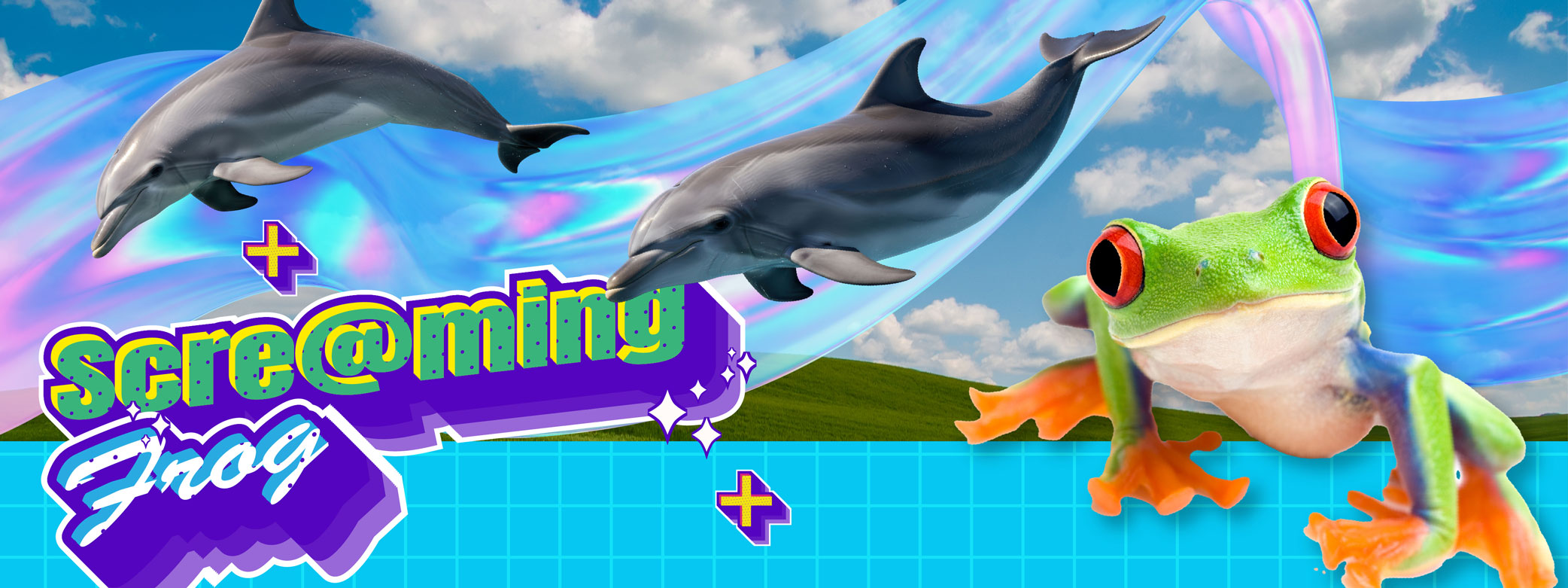
It’s hard to believe the millennium bug was over a quarter of a century ago, and the Judgement Days imagined by The Terminator, or the rain-soaked corporate nightmare of Blade Runner, are now dystopian visions of the past rather than the future. Yet here we are.
We may not have faced an apocalypse, but we didn’t quite get the future we were promised around the turn of the century either. Still, it’s not too late to revisit that sense of optimism. In 2026, design looks set to revive Y2K-era hopefulness through Frutiger Aero’s glossy gradients and organic futurism.
Designers are revisiting 90s TV graphics and early CGI, pairing aquatic blues and greens with floating objects, lens flares, and skeuomorphic details. The result is a visual language that evokes a future once imagined as just around the corner – playful, optimistic, and quietly comforting.
What does this all mean for 2026?
2026 finds design balancing opposing forces, where contrast becomes the driving force behind some of the year’s most interesting creative work. Hand-made and machine-made sit side by side, chaos meets control, and sentimentality for a bygone era is reinterpreted through a futuristic lens. Rather than choosing one direction over the other, designers are exploring the space between these extremes, blending craft with computation, intuition with structure, and emotion with precision.
It’s within this tension that design feels most alive – expressive without being careless, considered without feeling constrained. As these contrasts continue to shape creative decisions, the work emerging in 2026 reflects a broader desire for balance: embracing imperfection without abandoning intention, and innovation without losing humanity.
As the 2026 year unfolds, we’ll be keenly watching how these design trends take place.






What’s interesting is how many of these trends move away from “perfect” design toward something more human and expressive. Elements like collage, distortion, and bold typography feel like a response to the rise of AI-generated visuals – where polish is easy, but personality isn’t.